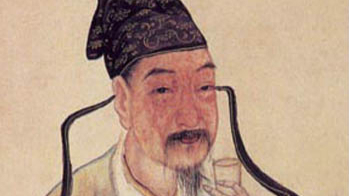
Du Mu
杜牧
- 分类: 语言文学
- ID: 1864992332046004225
Home CategoryLiteratureDu MuPlay6 minsDu Mu, a prominent Tang Dynasty (618-907) poet, was born in 803 in Chang'an (now Xi'an), Shaanxi, China. From the distinguished Du family, he excelled in Confucian classics, passing the imperial exam in his twenties. His government career influenced his poetry, marked by political disillusionment and introspection.ShareRelated Videos**Today is dedicated to Chinese-style romance 00:02:32Qingming Festival: A poetic remembrance 00:02:10To the Assistant Magistrate Han Chuo 00:04:59Catalogue1. Early Life and Background2. Poetry and Literary Contributions3. Themes and Style4. Legacy and Influence5. Selected Works
Early Life and Background
Du Mu, a prominent poet of the Tang Dynasty, was born in 803 in Chang'an, now known as Xi'an, in Shaanxi province, China. He belonged to the distinguished Du family, a lineage that had produced several noted scholars and officials. His early education was rigorous, focusing on the Confucian classics, which laid a strong foundation for his later literary achievements. Du Mu passed the imperial examination in his early twenties and subsequently embarked on a career as a government official, holding numerous posts across the empire. His experiences in these roles deeply influenced his poetry, which reflects themes of political disillusionment and personal introspection.
Poetry and Literary Contributions
Du Mu is widely celebrated for his evocative and lyrical poetry. His works are characterized by a deep emotional resonance, intricate imagery, and a keen sense of observation. Among his most famous poems is The Mourning Day (Qingming), which poignantly captures the somber atmosphere of the Qingming Festival, a traditional Chinese occasion for honoring ancestors. The poem's opening lines, "A drizzling rain falls like tears on Mourning Day; The mourner's heart is breaking on his way," have become iconic in Chinese literature, embodying the melancholic beauty synonymous with Du Mu's style.
Another notable poem by Du Mu is To the Assistant Magistrate Han Chuo, which vividly describes the beauty of Jiangnan, a region south of the Yangtze River, known for its picturesque landscapes. His ability to weave sensory details into his work allowed readers to visualize and emotionally connect with the scenes he depicted. Du Mu's poetry often draws on natural imagery, creating a harmonious blend of the physical world and human emotions.
Themes and Style
Du Mu's poetry is renowned for its thematic diversity and stylistic elegance. Common themes in his work include nostalgia, the passage of time, and the futility of ambition. His poems often reflect a profound awareness of life's transience and the inevitable decline of human endeavors. Du Mu was adept at using classical Chinese poetic forms such as quatrains and regulated verse, skillfully balancing formal constraints with creative expression.
His literary style is marked by a refined and elegant diction, often employing allusions and metaphors that require a deep understanding of Chinese history and culture to fully appreciate. Despite the occasional complexity of his language, Du Mu's poetry remains accessible due to its universal themes and emotional depth.
Legacy and Influence
Du Mu's contributions to Chinese literature have left an indelible mark on the poetic tradition. His works were included in the Three Hundred Tang Poems, an anthology that has been a staple of Chinese literary studies for centuries. His influence extends beyond the Tang Dynasty, with later poets and scholars drawing inspiration from his works. Du Mu's ability to capture the subtleties of human experience in verse continues to resonate with readers today, ensuring his place among the pantheon of great Chinese poets.
In summary, Du Mu's life and poetry provide a window into the cultural and intellectual milieu of the Tang Dynasty. Through his works, he offers insights into the human condition, capturing moments of beauty and melancholy with a timeless grace that transcends the ages. His legacy endures as a testament to the enduring power of poetry to express the inexpressible and connect hearts across time and space.
Selected Works
Qingming (The Mourning Day): This poem is perhaps Du Mu's best-known work, illustrating the grief and reflection associated with the Qingming Festival. Its vivid imagery and emotional depth have made it a favorite among readers for generations.
Shanxing (Mountain Trip): A depiction of an autumn outing, this poem exemplifies Du Mu's skill in blending natural scenery with personal emotion. The poem captures the beauty of fiery red maple trees against a backdrop of mountains and swirling clouds.
Jiangnan (To the Assistant Magistrate Han Chuo): This poem reflects Du Mu's appreciation for the scenic landscapes of Jiangnan. Through his description of moonlit rivers and lush autumn landscapes, he evokes a sense of longing and admiration for the region's natural beauty.
Chunxiao (Spring Dawn): A meditation on the renewal of life in spring, this poem uses delicate imagery to convey the fleeting joys of the season. Du Mu's ability to capture the essence of springtime rejuvenation is evident in the poem's gentle lyricism.
Autumn Night: A reflection on solitude and longing, this poem is set during the Qixi Festival, a traditional celebration of love. Through the voice of a palace maid, Du Mu explores themes of loneliness and desire, enriching the cultural narrative of the festival.
Du Mu's poetic legacy is a rich tapestry of emotion, nature, and introspection, offering readers a glimpse into the heart of Tang Dynasty China and the timeless human experiences it encapsulates. Article reference1. Mountain Trip. chinaservicesinfo.com. 20242. Fresh approach taken to mourning. chinaservicesinfo.com. 2022Photo Gallery(2 pictures)CategoriesLiteratureTagHistorical FiguresChinese PoetryRelatedChinese BrocadeDu Fu Thatched CottageYumen PassChengdu MuseumCatalogue1. Early Life and Background2. Poetry and Literary Contributions3. Themes and Style4. Legacy and Influence5. Selected Works- - - []








